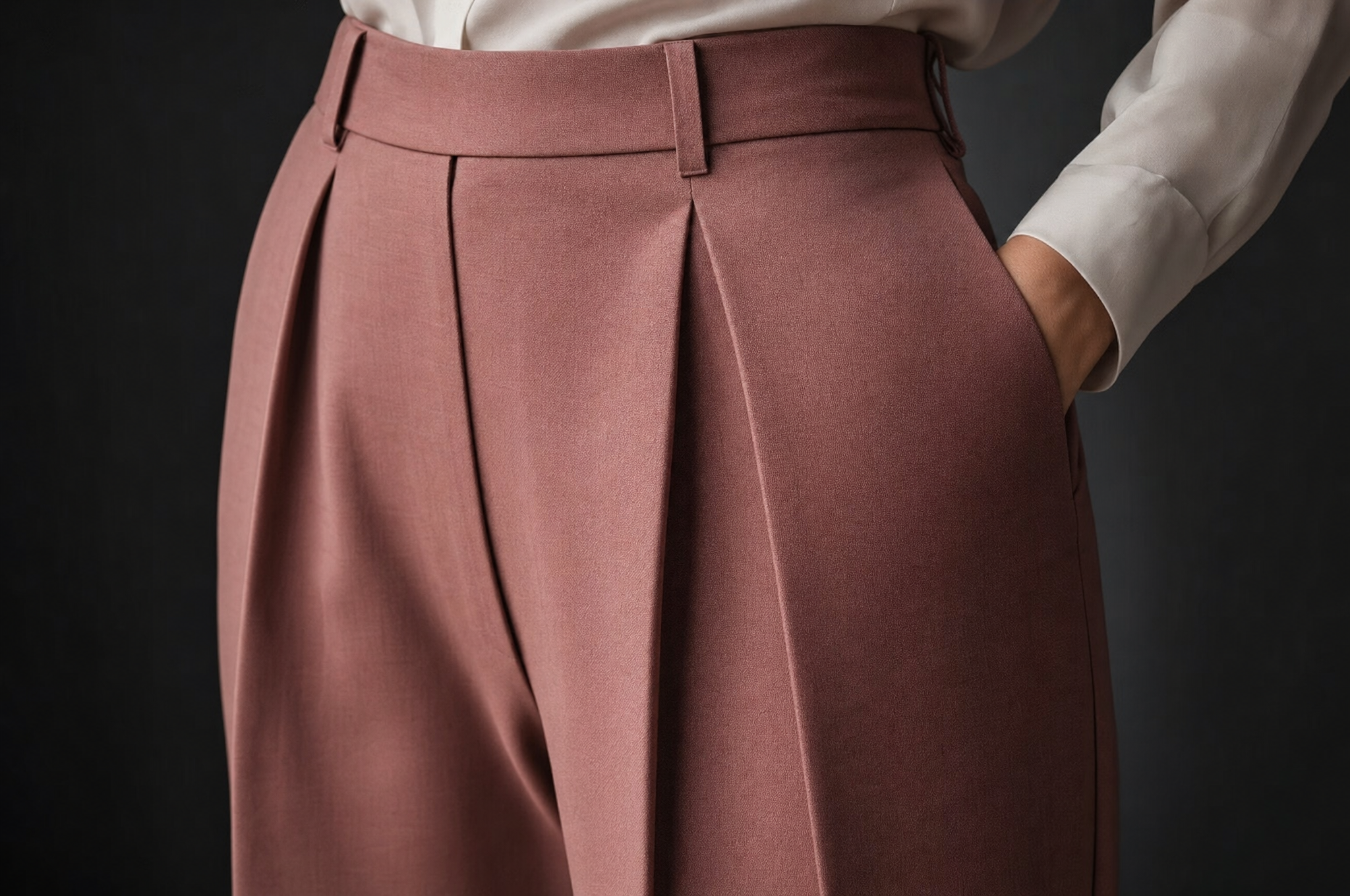
Here's something the fashion industry doesn't like to talk about: the care label on your trousers is frequently wrong. Not wrong in a dangerous way — it's wrong in an overly cautious way. "Dry Clean Only" is often not a requirement but a liability shield, placed there by manufacturers who would rather you over-clean your trousers than risk a washing machine disaster they could be blamed for.
The result is that millions of women are dry cleaning trousers that could be hand-washed, spending money unnecessarily, and shortening the life of their garments in the process. Dry cleaning, it turns out, is not always the gentlest option. Sometimes it's the harshest.
Let's untangle this. By the end of this guide, you'll know exactly when to dry clean, when to hand wash, and when the best thing you can do for your trousers is absolutely nothing at all.
The First Principle: Rest, Don't Wash
Before we talk about cleaning methods, we need to talk about the most important — and most overlooked — aspect of trouser care: resting.
Here's the truth that will change how you think about your wardrobe: most trousers don't need to be cleaned after every wear. Unless you've spilled something, sweated heavily, or worn them in a smoky environment, a pair of trousers can be worn three to five times between cleanings. Sometimes more.
What they need instead is rest. After wearing, hang your trousers on a proper hanger — one that clips at the waistband, not one that folds them over a bar — and let them hang for at least 24 hours before wearing them again. This allows the fabric fibers to recover from the stress of being worn, wrinkles to relax, and odors to dissipate.
The best thing you can do for your trousers is often nothing at all. Rest is maintenance.
This is especially true for wool trousers, which have natural properties that resist odor, wrinkles, and moisture. Wool can be worn many times between cleanings — it's designed by nature to recover and refresh itself when given air and time.
When to Dry Clean
Despite the caveats above, dry cleaning is sometimes genuinely necessary. Here's when:
1. Structured Garments
If your trousers have significant structure — built-in lining, interfaced waistbands, permanently pressed pleats — dry cleaning is usually the right call. The solvents used in dry cleaning won't distort the structure the way water can. Hand washing a heavily structured trouser risks losing the shape that makes it worth wearing.
2. Stubborn Stains
Oil-based stains (food, makeup, body oils) are best handled by dry cleaning. The solvents dissolve oils that water and detergent can't. If you've spilled olive oil on your wool trousers, don't try to hand wash it out — take it to the cleaners.
3. Heavy Soil
If trousers are genuinely dirty — ground-in dirt, heavy perspiration, environmental grime — dry cleaning is more effective than hand washing. It's also more thorough, which matters when the soil is significant.
4. Sensitive Fabrics
Some fabrics simply don't tolerate water. Silk, for example, can lose its luster and shape when washed. Delicate wools with special finishes may spot or distort. When in doubt with a fine or unusual fabric, dry cleaning is the safer choice.
When to Hand Wash
Now here's the good news: many trousers labeled "Dry Clean Only" can be safely hand washed. The key is knowing which fabrics tolerate water and how to do it properly.
Fabrics That Can Be Hand Washed
- Wool crepe: Yes, really. Wool crepe can be hand washed in cool water with a gentle wool detergent. The textured surface actually holds up well, and the natural crimp of the wool fibers helps the garment recover its shape.
- Cotton and linen: Both can be hand washed (and often machine washed on delicate). These are the easiest fabrics to care for at home.
- Synthetic blends: Polyester, elastane, and their cousins are generally washable. They're designed to tolerate water.
- Tencel/lyocell: These cellulosic fibers can be hand washed gently, though they may lose some of their drape over time.
The Hand Washing Method
If you're going to hand wash your trousers, do it right. Here's the method:
- Fill a basin or clean sink with cool water. Not cold — cool. Add a small amount of gentle detergent (we recommend a dedicated wool wash like Eucalan or Soak, which don't require rinsing).
- Submerge the trousers and gently swish them through the water. Don't wring, twisting, or scrubbing — just gentle agitation. Let them soak for 10-15 minutes.
- Rinse if required (skip this step if using a no-rinse wash). Rinse in cool water until the water runs clear.
- Remove excess water by pressing the trousers gently against the side of the basin. Do not wring. You can also lay them flat on a clean towel, roll the towel up, and press gently to absorb water.
- Dry flat on a clean towel or drying rack. Never hang wet trousers — the weight of the water will stretch them out of shape. Never put them in the dryer.
- Press when nearly dry using a pressing cloth (a clean cotton cloth between the iron and the fabric) to protect the surface. Use the appropriate heat setting for the fabric.
When to Do Nothing (Spot Clean)
Between full cleanings, spot cleaning is your best friend. If you get a small mark on your trousers, you don't need to clean the whole garment — you need to address the spot.
For water-soluble stains (coffee, juice, etc.), dab gently with a clean, damp cloth. Work from the outside of the stain inward to avoid spreading it. Don't rub — rubbing damages the fiber and can spread the stain.
For dry stains (dust, lint), a soft brush or a piece of tape can lift the offending particle without any liquid at all.
The goal is to address minor issues without subjecting the entire garment to a cleaning process. Less intervention means longer life.
Storage: The Other Half of Care
Care isn't just about cleaning. How you store your trousers is equally important to how long they last and how good they look.
Folding vs Hanging
Most tailored trousers should be hung, not folded. Use a clip hanger that grips the waistband, and let the trousers hang full-length. This allows wrinkles to relax naturally and prevents the creases that folding creates.
The exception is knit trousers and very soft fabrics, which can stretch when hung. These should be folded, ideally with acid-free tissue paper between the folds to prevent creasing.
Give Them Space
Trousers need air circulation. If your closet is packed so tight that garments are pressed against each other, wrinkles set in and fabrics can't breathe. Give each pair enough room to hang freely.
Rotate Your Trousers
Don't wear the same pair two days in a row. As we mentioned earlier, trousers need rest. Rotating through your wardrobe gives each pair time to recover, which extends the life of all of them.
Pressing: When and How
Even with proper resting and storage, trousers occasionally need pressing. Here's how to do it without damaging the fabric:
- Always use a pressing cloth. A clean cotton cloth between the iron and the fabric prevents shine marks and protects the surface.
- Use the right heat. Wool needs medium-high heat with steam. Cotton can take high heat. Synthetics need low heat. When in doubt, start low and increase.
- Press, don't iron. Ironing involves sliding the iron across the fabric, which can distort the shape. Pressing involves lifting and lowering the iron in place. Press.
- Press pleats carefully. If your trousers have pleats, fold along the existing pleat line and press gently. Don't create new creases.
- Let the fabric cool before moving it. Pressing sets the shape while hot; moving it while warm can undo your work.
The Cost of Over-Cleaning
Here's why all of this matters: over-cleaning is the number one cause of premature trouser death. Every dry cleaning cycle exposes the fabric to solvents that, over time, strip natural oils, break down fibers, and dull colors. Every wash cycle subjects the fabric to water, agitation, and detergent that can cause similar damage.
A wool trouser that's dry cleaned after every wear might last a year. The same trouser, properly rested, spot-cleaned, and dry cleaned only when truly necessary, can last five to ten years. The difference isn't the quality of the trouser — it's the quality of the care.
The most sustainable garment is the one you already own, kept in good condition for as long as possible.
The Care Cheat Sheet
Here's the quick reference for the most common trouser fabrics:
- Wool (all weaves): Rest between wears. Spot clean when possible. Dry clean only when truly necessary — every 5-10 wears. Hand wash wool crepe if you're confident. Never machine wash.
- Cotton: Machine washable on cold, gentle cycle. Hang or lay flat to dry. Press if needed.
- Linen: Hand or machine wash on gentle. Embrace the wrinkles or press with steam. Linen softens and improves with washing.
- Silk: Dry clean for best results. Some silks can be hand washed in cool water with gentle detergent, but there's risk of color loss and texture change.
- Synthetics: Machine washable. Low heat. Avoid the dryer, which can set permanent wrinkles.
The Bottom Line
Caring for tailored trousers isn't complicated, but it requires attention. The principles are simple: rest more than you clean, spot clean more than you full-clean, hand wash when you can, dry clean when you must, and store everything properly. Do these things, and your trouser wardrobe will look better and last longer than you thought possible.
The goal isn't pristine, never-worn trousers. The goal is trousers that look lived-in but loved — garments with years of life left in them, that fit better with age because you've taken the time to care for them properly. That's the quiet luxury of good maintenance. And it's available to anyone willing to learn.